Last Updated on 2025-08-30 by itdevicehub.com

In today’s rapidly evolving digital landscape, IT devices such as laptops, servers, storage systems, and network switches form the backbone of enterprise operations. Optimizing these devices not only enhances productivity but also ensures seamless scalability and security. This article explores the functionalities, use cases, and best practices for deploying these critical IT tools while incorporating SEO-friendly strategies to boost visibility in technical and enterprise search queries.
Introduction
In today’s rapidly evolving digital landscape, IT devices such as laptops, servers, storage systems, and network switches form the backbone of enterprise operations. Optimizing these devices not only enhances productivity but also ensures seamless scalability and security. This article explores the functionalities, use cases, and best practices for deploying these critical IT tools while incorporating SEO-friendly strategies to boost visibility in technical and enterprise search queries.
1. Laptops: Mobility Meets Power
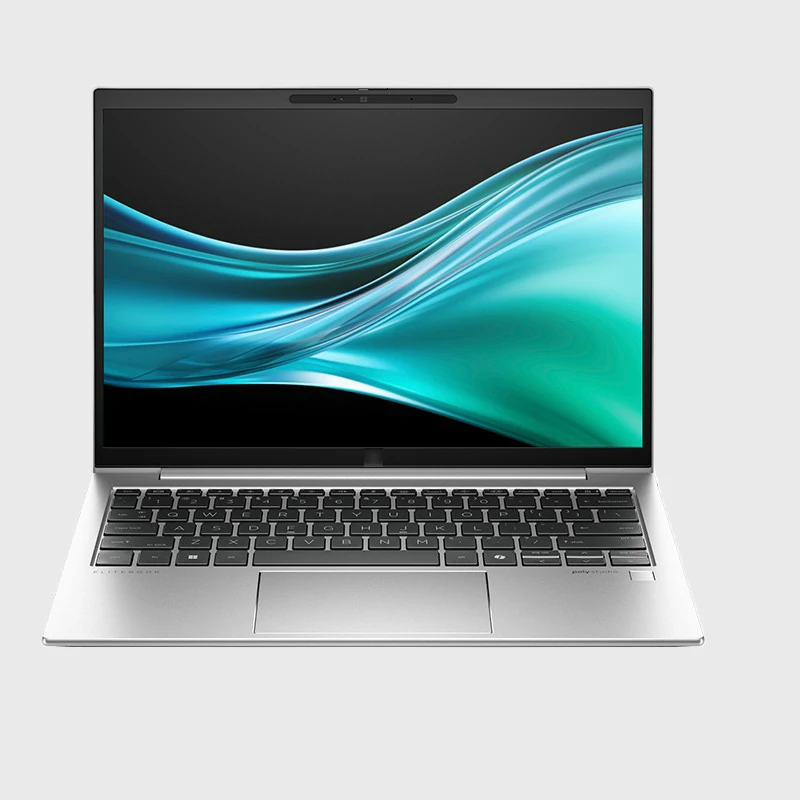
Modern laptops are no longer just portable workstations—they are gateways to cloud computing, AI-driven applications, and collaborative workflows.
- Key Features:
- High-Performance Processors: Devices like Intel Core i9 or AMD Ryzen 9 enable resource-intensive tasks such as data analysis and 3D rendering.
- SSD Storage: NVMe SSDs reduce boot times and accelerate data access, crucial for professionals in fields like software development and graphic design.
- Enterprise Security: Built-in biometric authentication (e.g., fingerprint scanners) and TPM 2.0 chips protect sensitive data.


2. Servers: Powering Data-Driven Enterprises
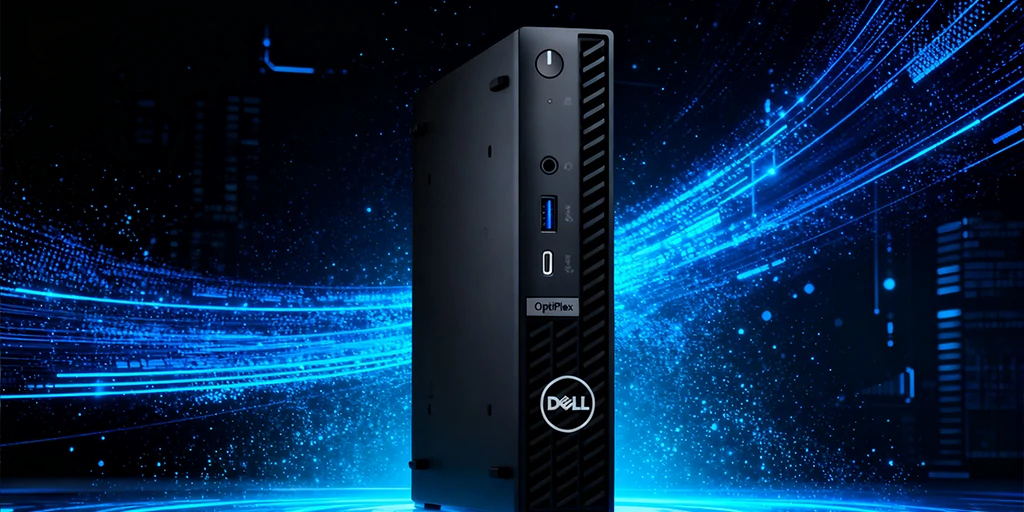
Servers are the heart of data centers, supporting everything from cloud services to AI training clusters.
- Use Cases:
- Cloud Hosting: Deploying scalable server clusters (e.g., Huawei’s Kunpeng-based servers) ensures reliable resource allocation for SaaS applications3.
- AI/ML Workloads: GPU-accelerated servers, such as NVIDIA DGX systems, handle complex model training with high throughput8.
- Optimization Strategy:
- Implement virtualization to maximize hardware utilization.
- Use energy-efficient designs to reduce operational costs and align with sustainability goals.
3. Storage Solutions: Balancing Speed and Scalability
Modern storage systems address the growing demands of big data and real-time analytics.
- Product Highlights:
- Distributed Storage: Huawei’s OceanStor A800 delivers 24 million IOPS and 500 GB/s bandwidth, ideal for AI training and checkpoint recovery3.
- SAN Storage: IBM SAN64B-6 switches support 32 Gbps speeds and exabyte-scale expansion, critical for financial and healthcare sectors6.
4. Network Switches: Building Robust Infrastructures
Network switches ensure seamless data flow across devices, with SAN switches playing a specialized role in storage networks.
- Types and Applications:
- Ethernet Switches: Foundational for LAN/WAN connectivity. For example, HP’s SN6000 stackable switches reduce SAN complexity by integrating core and edge functions2.
- SAN Switches: Transitioning to RoCE (RDMA over Converged Ethernet)—as seen in China Mobile’s infrastructure—replaces legacy FC switches, offering lower latency and cost savings8.
- Best Practices:
- Deploy QoS (Quality of Service) to prioritize critical traffic.
- Leverage link aggregation for load balancing and fault tolerance5.
5. Integrating IT Devices for Holistic Performance
Combining these devices unlocks synergies:
- Example Workflow: A laptop accesses cloud-hosted applications (via servers), which retrieve data from distributed storage systems connected through high-speed SAN switches.
Conclusion
From portable laptops to high-density SAN switches, each IT device plays a pivotal role in modern enterprises. By adopting cutting-edge technologies like NVMe-oF storage and RoCE-enabled networks, organizations can future-proof their infrastructure.
Optimize, Scale, and Secure—your IT infrastructure is ready for the next leap.